What Are the Key Differences Between Contemporary and Traditional Bathroom Design?

Bathroom countertops come in a variety of materials.

Your bathroom is more than just a functional space—it’s a sanctuary, and for Colorado homeowners remodeling their space, the aesthetic choice is paramount. The debate often boils down to two classic styles: Contemporary and Traditional bathroom design. Are you searching for the calming simplicity of clean lines and minimal fuss, or do you prefer the warmth and elaborate detail of classic European styling? Understanding which style truly speaks to you is the first and most crucial step in ensuring your remodeled bathroom provides the perfect visual and emotional retreat.

Defining the Look: Materials, Colors, and Layouts That Set Each Bathroom Design Style Apart

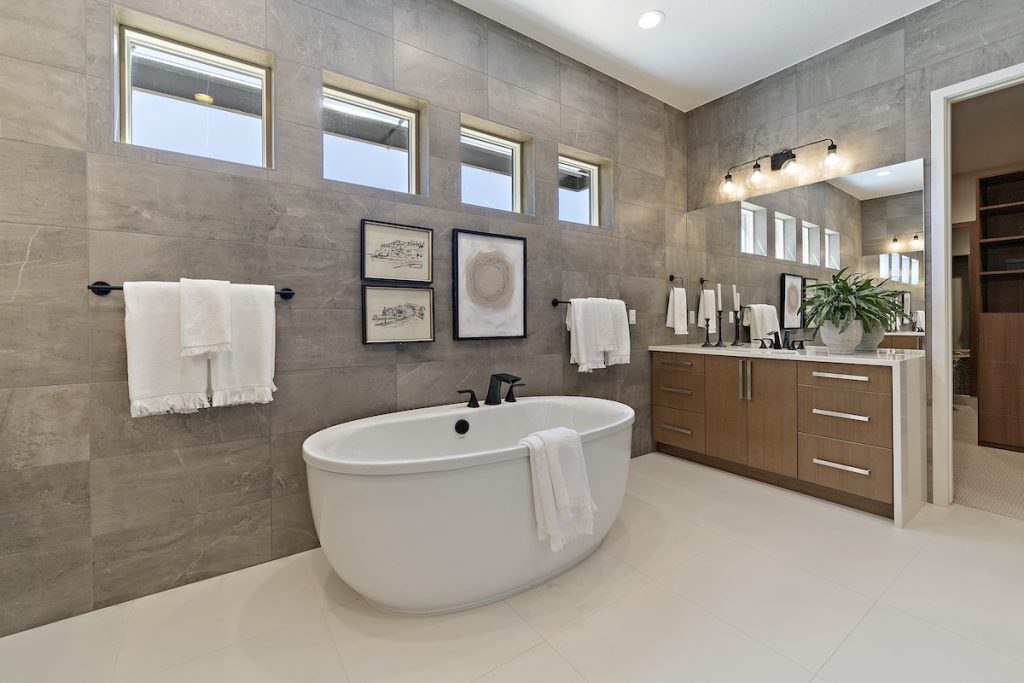
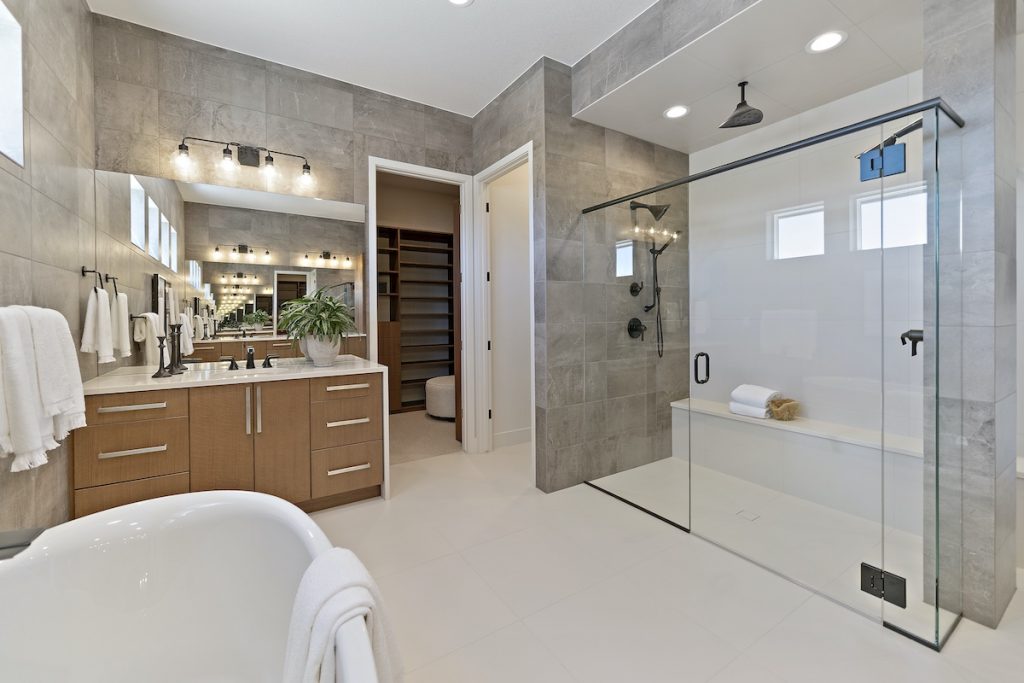
Luxurious bathroom design with modern glass shower enclosure, sleek wood vanity, large mirrors, and neutral tile surfaces that reflect contemporary style.
Understanding the major differences in bathroom design styles can help you choose the right look, materials, and layout for your next remodel.

The essence of contemporary and traditional bathroom design lies in their distinct approaches to form, function, and ornamentation.

  • Contemporary Bathroom Design:
    • Materials: Favors clean, smooth, and often reflective surfaces. Think large format porcelain or ceramic tiles, polished chrome or brushed nickel fixtures, glass shower enclosures, concrete countertops, and sleek, unadorned cabinetry.
    • Colors: Generally features a minimalist palette of whites, grays, blacks, and natural wood tones, often with a single bold accent color. The focus is on creating a serene, uncluttered space.
    • Layout & Fixtures: Emphasizes functionality and open space. Expect floating vanities, wall-mounted toilets, linear drains, curbless showers, and geometric shapes. Fixtures are simple, often angular, and devoid of intricate details. Lighting is often recessed or features striking modern fixtures.
    • Overall Feel: Streamlined, airy, minimalist, and often technologically advanced.
  • Traditional Bathroom Design:
    • Materials: Leans into classic, often richer textures. Expect subway tiles, marble or natural stone countertops, oil-rubbed bronze or polished brass fixtures, framed shower doors, and classic wood cabinetry (e.g., Shaker, raised panel).
    • Colors: Typically uses a warmer, softer palette—creams, whites, pastels, deep blues, greens, and natural wood stains.
    • Layout & Fixtures: Often features furniture-style vanities, clawfoot tubs, pedestal sinks, and more ornate fixtures with curved lines and decorative elements. Layouts can feel more enclosed and intimate. Lighting often includes sconces and chandeliers.
    • Overall Feel: Elegant, comfortable, classic, and inviting.

How to Choose Between Contemporary and Traditional Design for Your Colorado Home

Your home’s existing architecture and your personal preferences should guide your bathroom design choice.

  • Architectural Harmony: If your Colorado home is a historic Victorian in Denver or a rustic mountain lodge, a traditional bathroom design will likely feel more cohesive. Conversely, a modern, new-build home in Boulder would naturally lend itself to a contemporary aesthetic.
  • Personal Taste & Lifestyle: Consider your lifestyle. Do you crave simplicity and a spa-like feel, or do you prefer ornate details and a cozy, established ambiance? Contemporary designs are often easier to clean due to fewer crevices, while traditional designs can offer more built-in storage.
  • Resale Value: While personal preference is paramount, a design that complements your home’s overall style can enhance resale value.

The “best” bathroom design is the one that brings you joy and functions beautifully within your Colorado home. Reach out to The Kitchen Showcase today for expert guidance on your contemporary or traditional bathroom design project!

How Do You Choose the Right Layout and Features for a Custom Kitchen?

A custom kitchen is more than just a renovation—it’s an opportunity to design a space that is a true reflection of you and your family. For Colorado residents, this means creating a kitchen that is both a hub for daily meals and a welcoming space for entertaining. To achieve this, you need to go beyond surface-level aesthetics and focus on the fundamental elements of a great design: a smart layout and purposeful features that enhance every moment you spend in the room.

Understanding Popular Kitchen Layouts and Which One Fits Your Space Best

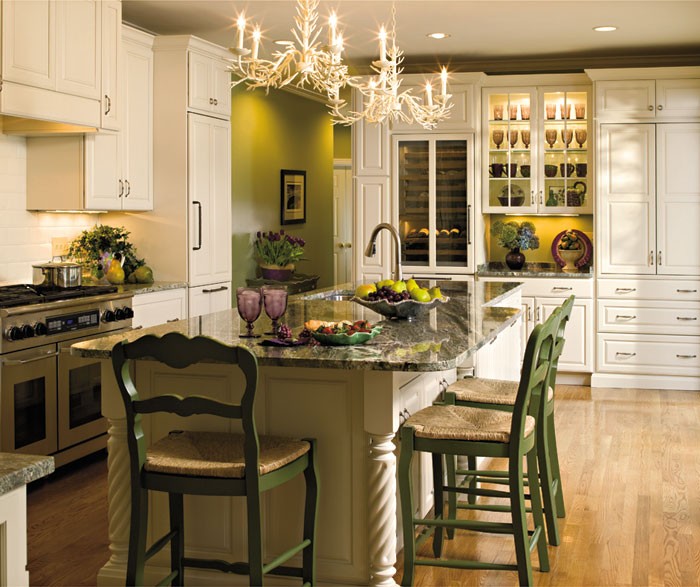
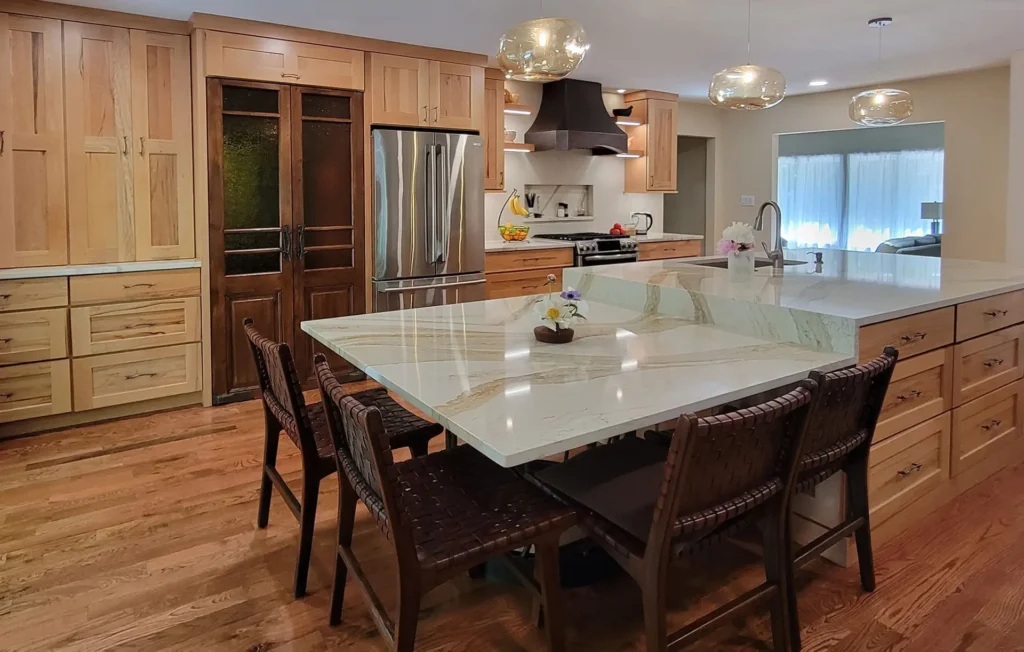
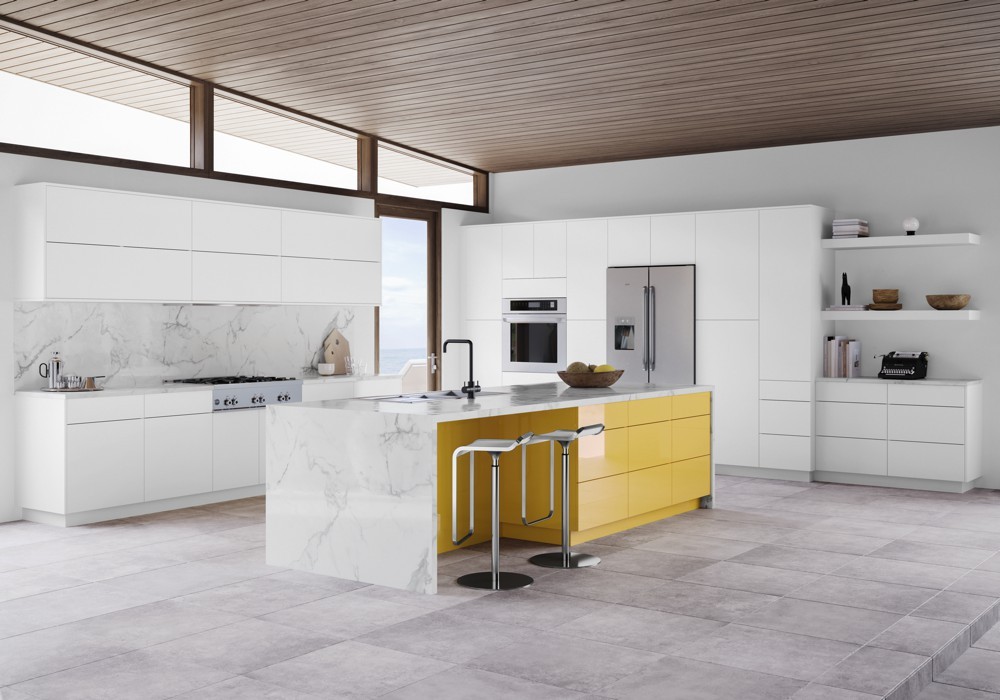
Custom Kitchen with modern layout, spacious island, and premium finishes showcasing personalized design for functionality and style.
A beautifully designed Custom Kitchen featuring a stylish layout and tailored features for everyday comfort and efficiency.

The layout of your custom kitchen is the foundation of its efficiency. The “work triangle” (the path between the sink, refrigerator, and stove) is a key concept in all designs. Here are some popular layouts to consider:

  • L-Shape: Ideal for medium-sized kitchens, this layout provides a continuous workflow along two walls, keeping traffic clear and offering ample counter space. It’s a great choice for Colorado homes that have an open floor plan.
  • U-Shape: This layout offers the most counter and storage space by utilizing three walls. It’s perfect for a dedicated cook who needs a lot of room to work and can feel cozy and intimate.
  • Galley: Best for smaller, narrower spaces, a galley kitchen places two parallel walls of cabinets and appliances. While compact, it is highly efficient, minimizing steps between workstations.
  • Kitchen with an Island: An island can be a game-changer in a larger custom kitchen. It not only provides extra counter space and storage but also serves as a central hub for dining, meal prep, and socializing. In Colorado, where entertaining is common, an island is a popular and functional addition.

Must-Have Features to Include in a Functional and Stylish Custom Kitchen

Once you’ve chosen a layout, it’s time to select the features that will personalize your custom kitchen and enhance its usability. Smart storage solutions are a must-have; think pull-out drawers for pots and pans, deep drawers for dishes, and a dedicated pantry with adjustable shelving. Consider including energy-efficient appliances that save on utility costs and a thoughtful lighting plan that includes task lighting over work surfaces, ambient lighting for the room, and accent lighting to highlight design elements.

For Colorado homeowners who love to entertain or enjoy a morning cup of coffee, a large island with built-in seating or a dedicated coffee bar station can be a perfect addition. These small details ensure your kitchen is not just a place to cook but a space that truly fits your life.

Creating the perfect custom kitchen is a blend of smart design and personalized features. To ensure your new kitchen is as functional as it is beautiful, trust the experts. Contact The Kitchen Showcase today for a consultation on your Colorado kitchen remodel and let us help you design a kitchen that is perfectly tailored to you.

Are Wall-Mounted or Freestanding Bath Cabinets Better for Your Space?

Batroom remodels in Denver by The Kitchen Showcase

When remodeling a bathroom in Colorado, one of the most significant decisions you’ll face is choosing the right bath cabinets. This choice between wall-mounted and freestanding styles impacts not only the look of your space but also its functionality, storage capacity, and ease of cleaning. Each option offers distinct advantages and disadvantages, and the best choice depends entirely on your specific needs, the size of your bathroom, and your design goals.

Pros and Cons of Wall-Mounted vs. Freestanding Bath Cabinets

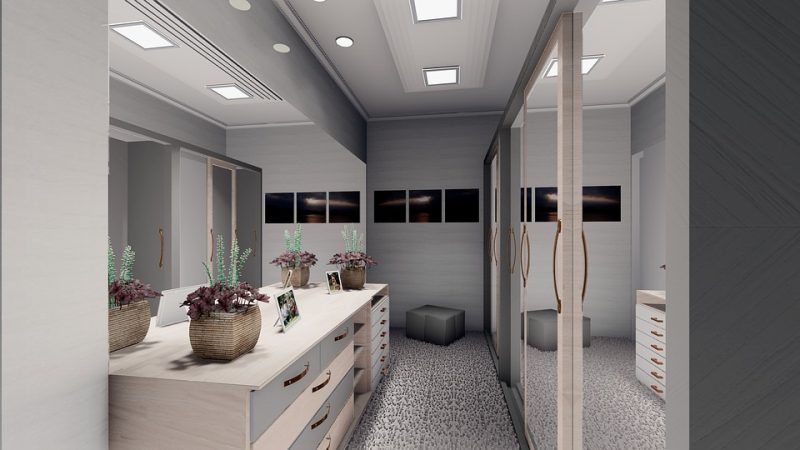
Bath Cabinets in a modern bathroom showcasing freestanding styles for functional storage and elegant design.
Stylish Bath Cabinets designed to enhance storage and bring a sleek, functional look to any bathroom space.

Wall-mounted bath cabinets, also known as floating vanities, are attached directly to the wall, leaving an open space beneath them.

  • Pros: They create a clean, modern aesthetic and give the illusion of more space, making them ideal for smaller bathrooms. The open area beneath makes cleaning the floor much easier.
  • Cons: They offer less storage capacity than freestanding units and require a professional, secure installation to support their weight. They may not be suitable for older homes with less stable wall structures.

Freestanding bath cabinets sit directly on the floor and are a classic, traditional choice.

  • Pros: They typically provide more storage space, often with a combination of drawers and cabinets. They are generally easier to install and can be found in a wide variety of styles, from modern to classic furniture-like pieces.
  • Cons: They can make a small bathroom feel more cramped and cluttered. The space around the base can be a magnet for dust and hair, making it harder to clean the floor effectively.

How to Choose the Right Cabinet Style for Your Bathroom Size and Layout

The first factor to consider when choosing between wall-mounted and freestanding bath cabinets is your bathroom’s size. For small powder rooms or compact bathrooms, a wall-mounted vanity is often the superior choice. Its elevated design creates an airy, open feel, making the room appear larger than it is. A larger master bathroom, in contrast, can comfortably accommodate a freestanding cabinet, which can serve as a dramatic focal point.

You must also consider your storage needs. If you require maximum storage for towels, toiletries, and cleaning supplies, a freestanding unit is likely your best bet. If you have plenty of storage elsewhere and prefer a minimalist look, a wall-mounted style works well. Think about your desired aesthetic. Wall-mounted cabinets are perfect for a sleek, contemporary look, while freestanding options can suit a variety of styles, from traditional to transitional. Your ultimate choice should harmonize with your overall design vision for your Colorado home.

Choosing the right bath cabinets is a key step in any bathroom remodel. To find the perfect style that balances your design goals with the practical needs of your space, get in touch with The Kitchen Showcase today. Our experts are ready to help you navigate your options and create a stunning and functional bathroom in your Colorado home.

What Are the Key Elements of a Functional Kitchen Design?

A beautiful kitchen is often the centerpiece of a home, but for Colorado homeowners considering a remodel, true value lies in a space that is not only stunning but also highly functional. A well-thought-out kitchen design can dramatically improve your daily life, making cooking, entertaining, and cleanup more efficient and enjoyable. The goal is to create a seamless workflow that caters to your specific needs. Let’s explore the key elements that make a kitchen truly functional.

How the Work Triangle Impacts Efficiency in Kitchen Design

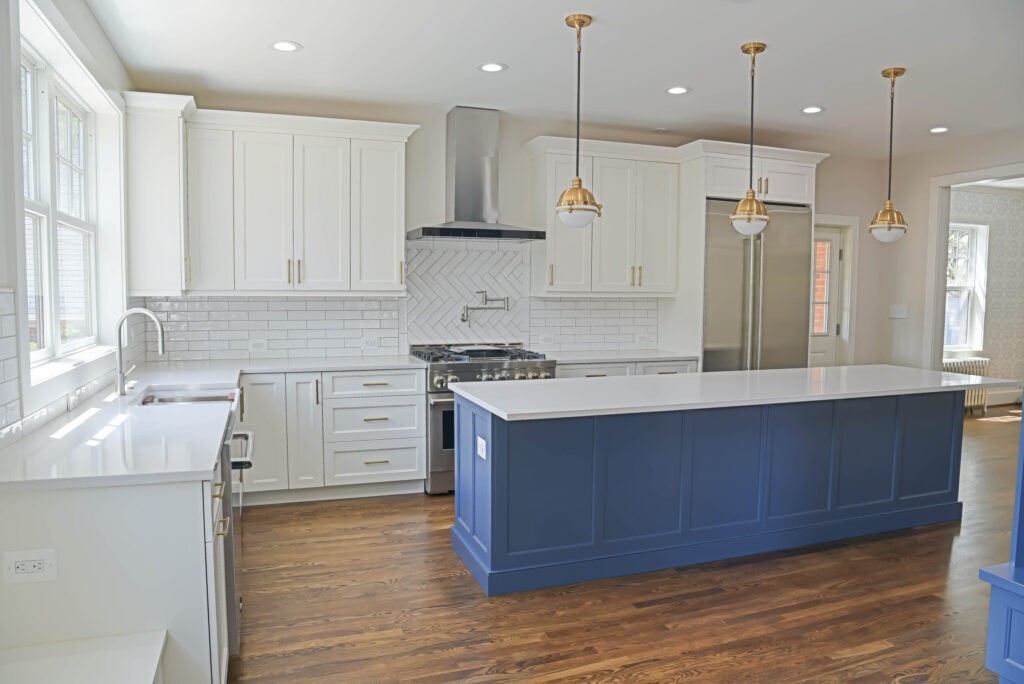
Modern Kitchen Design with spacious countertops, sleek cabinetry, and functional layout for everyday cooking and entertaining.
A stylish and practical Kitchen Design featuring ample storage, modern appliances, and a functional layout for daily use.

One of the most foundational principles of efficient kitchen design is the “work triangle.” This concept connects the three main work areas: the sink, the stove (cooktop), and the refrigerator. By arranging these three points in a triangular shape, you can minimize the number of steps taken between them, creating a more streamlined and efficient cooking process. A well-planned work triangle prevents bottlenecks and allows you to move easily between preparing food, cooking it, and storing ingredients. In many Colorado homes where the kitchen is a hub of activity for family and guests, an efficient work triangle is essential for avoiding a chaotic environment and making meal prep a breeze.

Smart Storage Solutions That Maximize Space in a Functional Kitchen

A functional kitchen design is about more than just a good layout; it’s also about smart storage. Even the most spacious kitchen can feel cluttered and inefficient without proper organization. Innovative storage solutions can transform your space, making every item accessible and putting an end to digging through crowded cabinets. For example, pull-out drawers for pots and pans and dedicated spice racks can make finding what you need simple. Lazy Susans in corner cabinets eliminate wasted space, while deep drawers for dishes and small appliances provide easy access. Vertical storage, such as floor-to-ceiling pantries, can maximize every inch of space, which is especially useful in smaller Colorado homes or cabins. By integrating these smart solutions, you can achieve a clutter-free and organized kitchen that enhances your workflow and overall enjoyment of the space.

A truly successful kitchen design is a perfect blend of style and practicality. By focusing on the principles of the work triangle and incorporating smart storage solutions, you can create a kitchen that is not only beautiful but also a joy to use for years to come. To get started on your functional and stunning kitchen remodel, reach out to The Kitchen Showcase today.

What Should You Consider When Choosing New Cabinets for a Colorado Remodel?

Choosing new cabinets can be one of the most daunting parts of a kitchen or bathroom remodel. With countless styles, colors, and materials available, it’s easy to feel overwhelmed. For homeowners in Colorado, the decision is even more critical, as the state’s unique climate can impact the long-term durability of your choice. This guide will simplify the process, helping you navigate the key considerations to ensure your new cabinets are a perfect, long-lasting fit for your home.

How Colorado’s Climate Can Influence Your Cabinet Material and Finish Choices

New Cabinets displayed in The Kitchen Showcase's showroom featuring various styles, finishes, and designs for Colorado remodels.
The Kitchen Showcase’s showroom displays New Cabinets in different styles and finishes, helping Colorado homeowners find the perfect remodel choice.

Colorado’s climate, with its dry air, high altitude, and significant temperature fluctuations, can have a direct impact on the longevity and appearance of new cabinets. Wood, a popular choice for cabinetry, is particularly susceptible to these conditions. The low humidity can cause wood to dry out, leading to cracking, splitting, or warping over time. When selecting wood cabinets, it’s crucial to choose a high-quality wood species that is known for its stability and ensure it has a durable finish to seal in moisture. Cabinets with painted finishes may also show hairline cracks at joints due to the wood’s natural expansion and contraction. To mitigate this, consider engineered wood products like MDF (medium-density fiberboard) for painted finishes, as they offer greater stability. Materials like laminates or thermofoil can also provide a durable, consistent surface that is less affected by environmental changes.

Balancing Style, Function, and Budget When Selecting New Cabinets

Choosing new cabinets is a balancing act between style, function, and budget. When it comes to style, your cabinets should complement the overall design of your home, whether you’re aiming for a rustic, modern, or traditional look. For function, consider your lifestyle. Do you need deep drawers for pots and pans? A pull-out pantry for easy access to groceries? Or maybe a built-in spice rack? The right cabinet features can make your daily routines much more efficient. Your budget will also largely determine the materials and level of customization you can afford. Custom cabinets offer the highest quality and perfect fit, but come at a premium. Semi-custom options provide a good balance of choice and cost, while stock cabinets are the most budget-friendly but offer the least flexibility in terms of size and style. Finding the right balance among these three factors is key to a successful remodel.

The wrong new cabinets can lead to a remodel you’ll regret, with materials that warp and designs that don’t work for your lifestyle. Avoid these costly mistakes by getting expert advice from the start. We specialize in helping Colorado homeowners select durable, functional, and beautiful cabinets that are perfectly suited for their homes and daily routines. For a flawless remodel you can be proud of, contact The Kitchen Showcase today.

What Mistakes Should I Avoid During a Kitchen Remodel in Colorado?

Planning a kitchen remodel in Colorado can be an exciting journey, but it’s also a process filled with potential pitfalls. Avoiding common mistakes is key to ensuring your project stays on track, on budget, and results in the kitchen of your dreams. From design blunders to planning oversights, here are some of the most crucial mistakes to avoid during your kitchen remodel.

Why Is It Important to Plan for Electrical and Plumbing Early in a Kitchen Remodel?

Modern Kitchen Remodel showcasing updated cabinets, countertops, and lighting in a Colorado home.
A well-planned Kitchen Remodel in Colorado featuring smart cabinet layout and upgraded fixtures for style and functionality.

One of the biggest mistakes homeowners make is not planning for electrical and plumbing needs at the very beginning of their kitchen remodel. These are the “bones” of your kitchen and are far more difficult and expensive to change once walls are closed up and cabinets are installed.

  • Electrical Planning: Think about where you will need outlets for small appliances like your coffee maker and toaster, as well as for charging devices. Don’t forget dedicated circuits for large appliances like your refrigerator, oven, and dishwasher. Planning for ample lighting—both task lighting over countertops and ambient lighting for the whole room—is also critical. A well-lit kitchen is a functional kitchen.
  • Plumbing Planning: Deciding on the location of your sink, dishwasher, and refrigerator (if it has a water line) early on is essential. Moving plumbing lines can be a costly and complex job, so finalizing these placements early will save you time and money. For Colorado homeowners, it’s also important to consider potential pipe freezing in unheated areas, making proper insulation a key consideration.

Ignoring these fundamental elements can lead to frustrating delays, unexpected costs, and a final product that isn’t as functional as you had hoped.

How Can Choosing the Wrong Cabinet Layout Hurt Your Remodel in Colorado?

The layout of your kitchen cabinets is the foundation of your kitchen’s workflow and storage capacity. A poorly planned layout can make your kitchen feel cramped, inefficient, and difficult to use.

  • Ignoring the “Work Triangle”: The work triangle—the path between your stove, sink, and refrigerator—is a classic design principle for a reason. An efficient kitchen minimizes the distance between these three key areas. A poorly designed layout can create a lot of extra walking, making cooking a chore.
  • Inadequate Storage: Another common mistake is not accounting for enough storage space. In your kitchen remodel, consider the different types of storage you need: deep drawers for pots and pans, a pantry for dry goods, and a logical place for everyday dishes. Don’t just focus on the number of cabinets; focus on how they will function for your specific needs.
  • Failing to Maximize Space: Custom cabinets and clever storage solutions can make even a small Colorado kitchen feel spacious. Instead of standard cabinets, consider corner cabinets with lazy Susans, pull-out spice racks, or vertical dividers for cookie sheets.

Avoiding these mistakes will ensure your kitchen remodel results in a beautiful, highly functional, and long-lasting space. When you’re ready to start your project, contact The Kitchen Showcase. We can help you plan your kitchen remodel to avoid these common pitfalls and create the kitchen you’ve always wanted.

What Materials Are Best for Durable and Stylish Kitchen Cabinets in Colorado?

Renovating a kitchen is a major investment, and choosing the right materials for your kitchen cabinets is one of the most important decisions you’ll make. In Colorado, where the climate presents unique challenges, selecting materials that are both durable and stylish is key to a long-lasting and beautiful kitchen. This guide will help Colorado homeowners understand how to choose the best materials for their kitchen cabinets.

How Do Humidity and Altitude Affect Kitchen Cabinet Materials in Colorado Homes?

Modern kitchen featuring durable and stylish Kitchen Cabinets in a Colorado home.
Beautifully designed Kitchen Cabinets offering both style and durability for Colorado homeowners remodeling their kitchens.

Colorado’s climate, characterized by high altitude and low humidity, can be tough on many materials, especially wood. The dry air can cause wood to lose moisture, leading to warping, cracking, and splitting. These issues can compromise the structural integrity and appearance of your kitchen cabinets over time.

The low humidity can also affect the finishes on cabinets, causing paint and stains to dry out and become brittle. That’s why it’s crucial to choose materials and finishes that are specifically designed to handle these environmental conditions. Proper sealing and a quality finish are essential to protect the cabinets from the effects of the dry, high-altitude air, ensuring they remain beautiful and functional for years to come.

What Are the Pros and Cons of Wood vs. MDF for Kitchen Cabinets in Colorado’s Climate?

When it comes to materials for kitchen cabinets, homeowners often find themselves choosing between solid wood and Medium-Density Fiberboard (MDF). Both have their own advantages and disadvantages, especially in Colorado’s climate.

Solid Wood

  • Pros: Wood is highly durable, can be sanded and refinished multiple times, and offers a classic, timeless aesthetic. It’s also very strong and can hold up heavy countertops and appliances. Popular choices in Colorado include oak and maple, which are known for their hardness and resistance to warping.
  • Cons: Wood is susceptible to the effects of low humidity. It can expand and contract with changes in moisture, which can lead to cracks and warping. Solid wood cabinets are also generally more expensive than MDF.

MDF

  • Pros: MDF is more stable than solid wood in low-humidity environments, making it less likely to warp or crack. It has a smooth, uniform surface that is perfect for painting, resulting in a flawless finish. MDF is also more budget-friendly than solid wood.
  • Cons: MDF is not as strong as solid wood and can be easily damaged by water, as moisture can cause it to swell and break down. Once damaged, it can be difficult to repair. It’s also heavier than wood, which can make installation more challenging.

The best material for your kitchen cabinets depends on your budget, style preferences, and how you plan to use your kitchen. For guidance on choosing the right materials for your home, reach out to The Kitchen Showcase today. We specialize in durable and stylish kitchen cabinets for Colorado homes.

What Kitchen Countertops Are Best for Families Who Cook Frequently?

Investing in a kitchen remodel is a significant undertaking for any homeowner in Colorado, and your kitchen countertops represent a major part of that investment. But for families who genuinely love to cook, these surfaces aren’t just aesthetic features—they’re workhorses that endure spills, heat, and constant activity. Choosing the right material ensures your countertops can handle the rigors of frequent meal preparation while continuing to look beautiful for years to come.

Top Heat- and Scratch-Resistant Materials for Busy Family Kitchens

Kitchen countertops made of durable, easy-to-clean material in a busy family kitchen, ideal for frequent cooking and everyday use.
Family-friendly kitchen countertops offer the perfect blend of durability and low maintenance, making them ideal for homes where cooking happens daily.

Frequent cooking inevitably involves hot pots, sharp knives, and the occasional spilled ingredient. Therefore, the best kitchen countertops for active families are those that can stand up to heat and resist scratches.

  • Quartz: Engineered quartz is an outstanding choice. It’s made from ground quartz stone combined with resins, creating an extremely hard, non-porous surface. This makes it highly resistant to scratches, chips, and stains. Crucially for cooks, it’s also very heat-resistant, though it’s still wise to use trivets for extremely hot pans to protect the resin binders. Quartz offers a vast array of colors and patterns, mimicking natural stone or offering unique contemporary looks.
  • Granite: A natural stone, granite is renowned for its durability. It’s highly resistant to scratches and heat and capable of handling hot pots directly (though trivets are always recommended for prolonged exposure to intense heat to prevent potential damage or discoloration over time). While tough, granite is porous and requires periodic sealing to maintain its stain resistance. Its unique patterns and colors also add a touch of natural elegance.
  • Porcelain: Porcelain countertops are gaining popularity for their exceptional durability. They are made from ceramic clay baked at extremely high temperatures, resulting in a very dense, non-porous material that is highly resistant to scratches, heat, UV rays, and chemicals. Porcelain can mimic the look of natural stone, wood, or even metal, offering versatility in design.

Low-Maintenance Kitchen Countertops That Make Cleanup Easy

A busy family kitchen means frequent messes. Opting for kitchen countertops that are easy to clean and require minimal maintenance can significantly reduce stress and save time.

  • Quartz: Its non-porous nature makes quartz incredibly low-maintenance. Spills don’t penetrate the surface, meaning most messes can be wiped away with just a damp cloth and mild soap. There’s no need for sealing, making daily cleanup a breeze.
  • Solid Surface (e.g., Corian): Made from acrylic or polyester blends, solid surface countertops are non-porous, preventing stains from seeping in. They are also seamless, eliminating crevices where dirt and grime can hide. While not as heat-resistant as quartz or granite, minor scratches can often be buffed out, making them quite forgiving in a high-traffic kitchen. Cleanup is as simple as wiping them down.
  • Stainless Steel: For a truly commercial-grade, low-maintenance option, stainless steel is unparalleled in hygiene and ease of cleaning. It’s heat-resistant and non-porous, making it incredibly sanitary. While it can scratch and show fingerprints, it won’t stain and can be wiped clean with minimal effort. Its industrial aesthetic suits certain modern designs.

Choosing the right kitchen countertops is a critical decision for any family that loves to cook, balancing aesthetics with the practical demands of a busy kitchen. For homeowners in Colorado seeking the perfect blend of durability, beauty, and ease of maintenance for their kitchen remodel, contact The Kitchen Showcase today. Let us help you select countertops that stand up to family life and enhance your culinary space!

What Should You Consider When Choosing Cabinetry Design for an Open-Concept Kitchen?

For homeowners in Colorado embarking on a kitchen remodel, the open-concept layout continues to be a top choice. This design philosophy creates a spacious, airy feel, fostering a connection between cooking, dining, and living areas. This seamless flow also means your cabinetry design takes on a dual role: it needs to be highly functional for the kitchen yet aesthetically integrated with the rest of your home. Choosing the right cabinetry design is crucial to achieving both beauty and practicality in your open-concept space.

Blending Cabinetry Design with Adjacent Living Spaces for a Seamless Look

In an open-concept kitchen, your cabinetry isn’t just part of the kitchen; it’s part of your living room, dining room, or both. This means visual harmony is paramount.

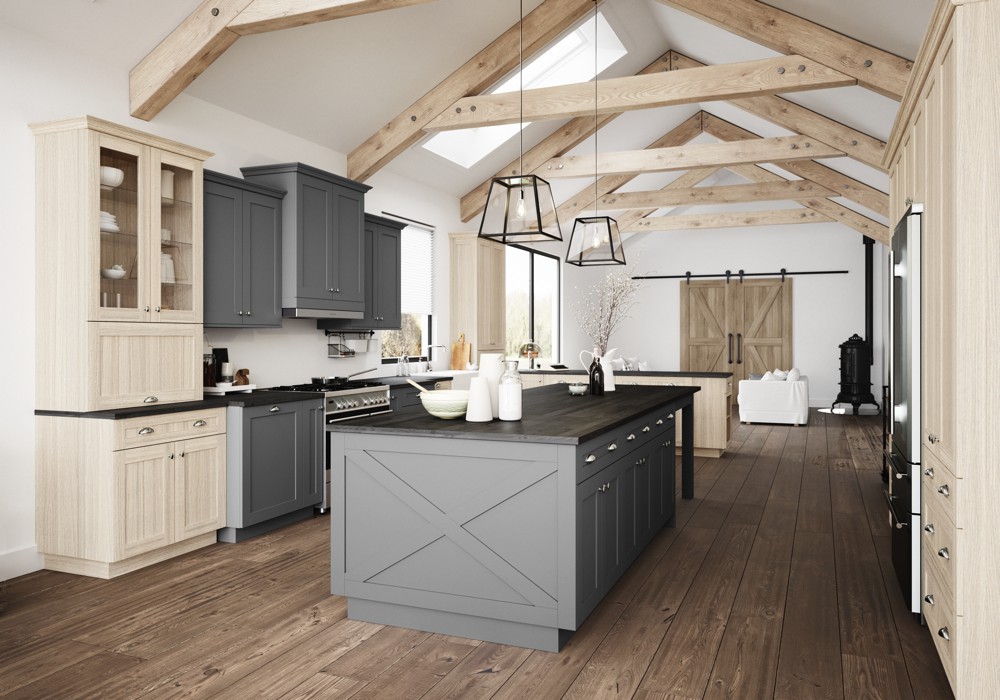
Cabinetry design in an open-concept kitchen featuring sleek, modern cabinets that enhance space, functionality, and visual flow.
Thoughtful cabinetry design in this open-concept kitchen maximizes storage while creating a cohesive and stylish look throughout the space.
  • Consistent Style: The most effective way to create a cohesive look is to choose a cabinetry design style that echoes the aesthetic of your adjacent living spaces. Consider the overall architectural style of your home as well.
  • Color Palette Integration: Carry over colors or tones from your living areas into your kitchen cabinetry. This doesn’t mean everything has to match perfectly, but rather that the colors should complement each other. Using the same wood finishes or metal accents (like hardware) can also create visual continuity.
  • Thoughtful Transitions: Think about how the cabinetry transitions into the living space. An island with seating can act as a natural divider, and its design should complement both areas. Consider extending certain cabinet elements, like open shelving or a built-in buffet, beyond the “kitchen zone” to bridge the gap gracefully.
  • Minimizing Visual Clutter: In an open space, too many disparate elements can feel overwhelming. Opt for simpler door styles, recessed hardware, or even push-to-open mechanisms to create a clean, uncluttered look that blends more easily into a living environment.

Maximizing Storage and Flow Without Interrupting the Open Feel

Open-concept kitchens often present the challenge of balancing ample storage with an unencumbered flow. Your cabinetry design needs to be clever to achieve both.

  • Smart Internal Storage Solutions: Since visual clutter is a concern, focus on maximizing the inside of your cabinets. Pull-out pantries, deep drawers with organizers, spice racks, and vertical dividers ensure every item has a place, keeping countertops clear and the space feeling open.
  • Strategic Island Design: A kitchen island can be a storage powerhouse, but its design should facilitate flow. Incorporate drawers and cabinets on the kitchen side, and consider open shelving or a sleek, finished back panel on the living area side to prevent it from looking too utilitarian.
  • Tall Cabinets and Built-Ins: Utilize vertical space with tall pantry cabinets or integrated appliance garages to consolidate storage and maintain clean lines. Built-in elements, like a wall of floor-to-ceiling cabinets, can offer immense storage while mimicking the look of built-in furniture in a living room.
  • Consider Upper Cabinet Alternatives: While upper cabinets provide storage, too many can make an open space feel enclosed. Explore options like open shelving (for decorative items that enhance the aesthetic), fewer upper cabinets, or integrating them seamlessly into a wall of full-height cabinets.

Choosing the right cabinetry design for your open-concept kitchen in Colorado requires a thoughtful approach that balances function with overarching home aesthetics. For expert guidance and high-quality cabinetry design that perfectly suits your lifestyle and home, reach out to The Kitchen Showcase today. Let us help you create the kitchen of your dreams!

How Can You Budget Effectively for a Bathroom Remodel in Colorado?

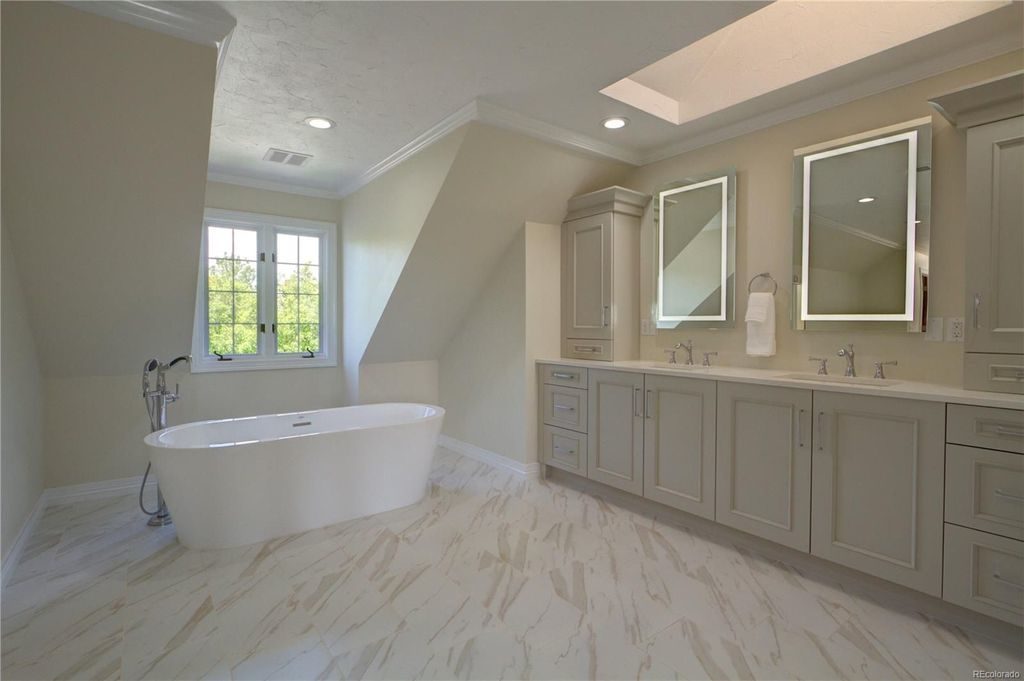
Master bathroom

A bathroom remodel in Colorado can significantly enhance your home’s value and your daily living. For homeowners in the Centennial State, understanding the key financial considerations and how to prioritize effectively is crucial for a successful and stress-free renovation. Without a clear budget, costs can quickly spiral out of control.

What Are the Biggest Cost Factors to Consider in a Colorado Bathroom Remodel?

Newly completed bathroom remodel featuring modern fixtures and custom cabinetry in a Colorado home.
A well-planned bathroom remodel in Colorado blends style and functionality—budget wisely to get the most value from your renovation.

The average cost of a bathroom remodel in Colorado can range from $25,000 to $75,000, with luxury projects potentially exceeding $145,000. Several factors contribute to these significant expenses:

  • Labor Costs (40-60% of total budget): This is often the largest single expense. Skilled tradespeople like plumbers, electricians, tile setters, and general contractors command higher rates in Colorado, especially in more urban areas. The more complex the work (e.g., moving plumbing lines or electrical outlets), the higher the labor cost.
  • Materials and Fixtures: This category offers the widest range for saving or splurging.
    • Fixtures: Toilets, sinks, faucets, showerheads, and bathtubs vary wildly in price. A basic prefabricated shower unit might start around $450, while a custom tiled walk-in shower with high-end fixtures could exceed $5,000. Freestanding tubs can cost $3,000 to $10,000.
    • Tile and Flooring: Basic ceramic tile can be $1-$2 per square foot, while natural stone or designer tiles can be $15-$20 per square foot or more. Installation costs also vary with complexity.
    • Vanities and Cabinetry: Stock vanities are affordable (around $300), but custom vanities can reach $3,800 or more, depending on materials and features.
    • Countertops: Laminate is budget-friendly, while quartz and granite come at a premium, ranging from $1,500 to $3,500.
  • Structural Changes and Layout Alterations: Moving walls, plumbing, or electrical lines adds significant cost due to increased labor and the need for permits. This kind of work can add thousands to your project.
  • Permits and Inspections: Don’t overlook these necessary expenses. In Colorado, permit costs can range from a few hundred to over $2,500, depending on the scope of work and local regulations.
  • Demolition and Debris Removal: Clearing out the old bathroom also incurs costs for labor and disposal.
  • Unexpected Issues: Older homes in Colorado might hide issues like mold, water damage, or outdated wiring/plumbing behind walls. Always factor in a contingency fund (10-15% of your total budget) for these unforeseen problems.

How Can You Prioritize Features Without Going Over Budget During a Bathroom Renovation?

To keep your bathroom remodel dreams from becoming a financial nightmare, strategic prioritization is key:

  1. Define Your “Must-Haves” vs. “Nice-to-Haves”: Before you start, list everything you want. Then, be brutally honest about what you absolutely need for functionality and what would simply be a luxury. Focus your budget on the essentials first.
  2. Focus on Functionality First: Address any structural or plumbing issues and ensure proper ventilation. These foundational elements are critical for the longevity and safety of your bathroom.
  3. Invest in High-Impact, High-Use Items: Splurge on a quality toilet, a comfortable showerhead, or durable flooring. These items are used daily and can significantly impact your satisfaction. Cheaper alternatives here might lead to quick replacements later.
  4. Cosmetic Updates for Savings: Instead of gutting everything, consider cosmetic updates. A fresh coat of paint, new hardware on existing cabinets, updating light fixtures, or simply re-caulking can make a huge difference for a fraction of the cost of full replacements.
  5. Smart Material Choices: You don’t need marble everywhere. Mix and match materials – perhaps a high-end tile accent, but more affordable options for less visible areas. Vinyl plank flooring can mimic wood or tile at a lower price point and is waterproof.
  6. Maintain the Existing Layout: Moving toilets, sinks, or showers is expensive due to plumbing rerouting. If your current layout works, keep it.
  7. DIY Where Appropriate (Cautiously): While some tasks like painting or demolition might be manageable for a skilled DIYer, leave plumbing, electrical, and complex tiling to professionals. Mistakes here can be far more costly to fix.
  8. Get Multiple Quotes: Always obtain detailed quotes from several reputable contractors in Colorado. Compare not just the total price but also the breakdown of costs for labor and materials.

Budgeting for a bathroom remodel in Colorado requires careful planning and realistic expectations. By understanding the major cost drivers and prioritizing your needs, you can achieve a beautiful and functional space that stays within your financial comfort zone.

Your bathroom remodel in Colorado doesn’t have to break the bank. With smart budgeting and a clear understanding of where your money goes, you can achieve both beauty and functionality. Keep in mind that a successful renovation isn’t just about the end result but also a smooth financial journey.

For personalized advice and expert execution on your next bathroom remodel project, reach out to The Kitchen Showcase. We’re here to help Colorado homeowners make wise investments in their homes.