

Yes, in many cases a cabinet can be modified in the shop instead of being reordered. Common changes include trimming a width, adjusting a height, cutting for an appliance or adding a custom opening. The right answer depends on the cabinet line and the change, so a designer should review it before you decide.
Few things frustrate a remodel more than a cabinet that is slightly off. A wall measures a half inch differently than planned, an appliance arrives larger than expected, or a plumbing line sits where nobody predicted. Reordering can mean waiting weeks. A shop modification can sometimes solve the problem much faster. Here is how it works for custom cabinets in Denver and across the Front Range.
What does it mean to modify a cabinet in the shop?
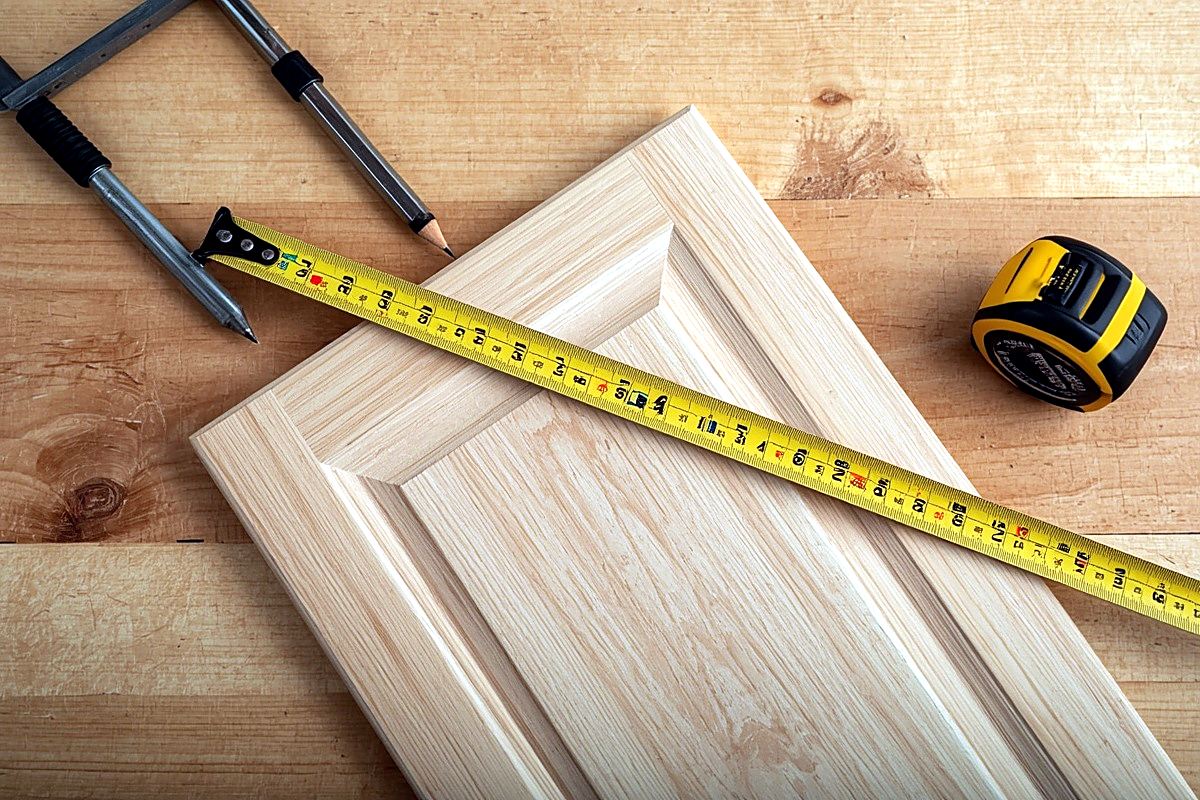
A shop modification means a skilled team member changes a cabinet that has already arrived, working on a bench with proper tools rather than on a job site floor. The cabinet is adjusted to the exact space or need, then finished so it blends with the rest of the kitchen.
Because the work happens in a controlled space, cuts are cleaner and edges can be sealed or touched up to match. This is different from a quick fix at install time, and it is often the better choice when precision matters.
What kinds of changes can usually be made?
Every cabinet line has its own construction, so what is possible varies. Typical modifications include:
- Width or depth adjustments to fit a space that measures differently than planned
- Height changes to line up with a window, soffit or appliance
- Appliance and plumbing cutouts for sinks, ranges or vents
- Added or removed shelves, drawers or dividers to fit what you need to store
- Trimming filler pieces and panels so the final run looks seamless
Some changes are not a good idea. Altering a structural part of a cabinet, or cutting a finished door in a way that weakens it, may void a manufacturer’s terms or compromise the cabinet. That is why we review each request before saying yes.
How does the shop modification process work?
The process is simple, and it starts with a conversation rather than a saw. A typical path looks like this:
- Review the problem. Bring the cabinet number, the measurements and photos of the space. We confirm what is off and by how much.
- Check the options. A designer looks at the cabinet construction and the manufacturer’s guidelines to see whether a change is safe and sensible.
- Agree on the plan. You hear what will change, what the finished result should look like and how long it is likely to take.
- Modify and finish. The work is done on a bench, then edges and surfaces are finished so the cabinet sits comfortably beside its neighbors.
- Install and check. The cabinet goes in with the rest of the run, and we confirm it fits as planned.
Keeping the steps in this order protects both your schedule and the quality of the final kitchen. It also means no one cuts into a cabinet before everyone agrees it is the right move, which matters in homes across Denver, Centennial and the Front Range where custom layouts are common.
When is reordering the better choice?
Modification is not always the answer. Reordering usually makes more sense when:
- The change is large enough that the cabinet would lose its strength or proportions.
- The finish cannot be matched cleanly after the work.
- A different size or style would solve the problem more simply.
- The cabinet line limits modifications by design.
A good designer will tell you honestly which path is better. The goal is a kitchen that looks like it was always meant to be that way, not a repair you notice every day.
How do you avoid needing a modification at all?
Good planning prevents most surprises. Measure twice, confirm appliance specifications before you order and have your designer check the plan against the actual room. Accurate measurements at the start are the best way to protect your schedule.
Our team at The Kitchen Showcase helps with this at every stage, from the first layout to installation. When something still shifts, having a shop that can adjust a cabinet saves time and stress.
Frequently Asked Questions
Can a kitchen cabinet be cut down after it is delivered?
In many cases, yes. Width, height and depth can often be adjusted in a shop, depending on the cabinet construction. A designer should check the specific cabinet and the manufacturer’s guidelines before any cuts are made.
Will a modified cabinet match the rest of my kitchen?
A well-done modification should blend in. Edges can be sealed or finished to match, though how close the match is depends on the finish. We review that with you first, so you know what to expect before work begins.
Is it faster to modify a cabinet than to reorder one?
Often it is, because you avoid waiting for a replacement to be built and shipped. The exact timing depends on the change and the shop schedule, so ask your designer for an estimate on your project.
Does The Kitchen Showcase install cabinets as well?
Yes. We perform both installations and full kitchen remodeling projects, so adjustments and installation can be coordinated by the same team.
Talk to a Designer About Your Cabinets
If a cabinet does not fit or you want something adjusted, schedule a consultation at The Kitchen Showcase and bring your measurements or photos. We will tell you honestly whether a shop modification or a new order is the better path. For more background on kitchen planning, visit the National Kitchen and Bath Association, or browse more ideas on our website.